Canopies That Let Light Reach Your Lawn
Tree Pruning in Silver Springs for trees with dead limbs, poor structure, or canopies so dense that grass won't grow beneath them
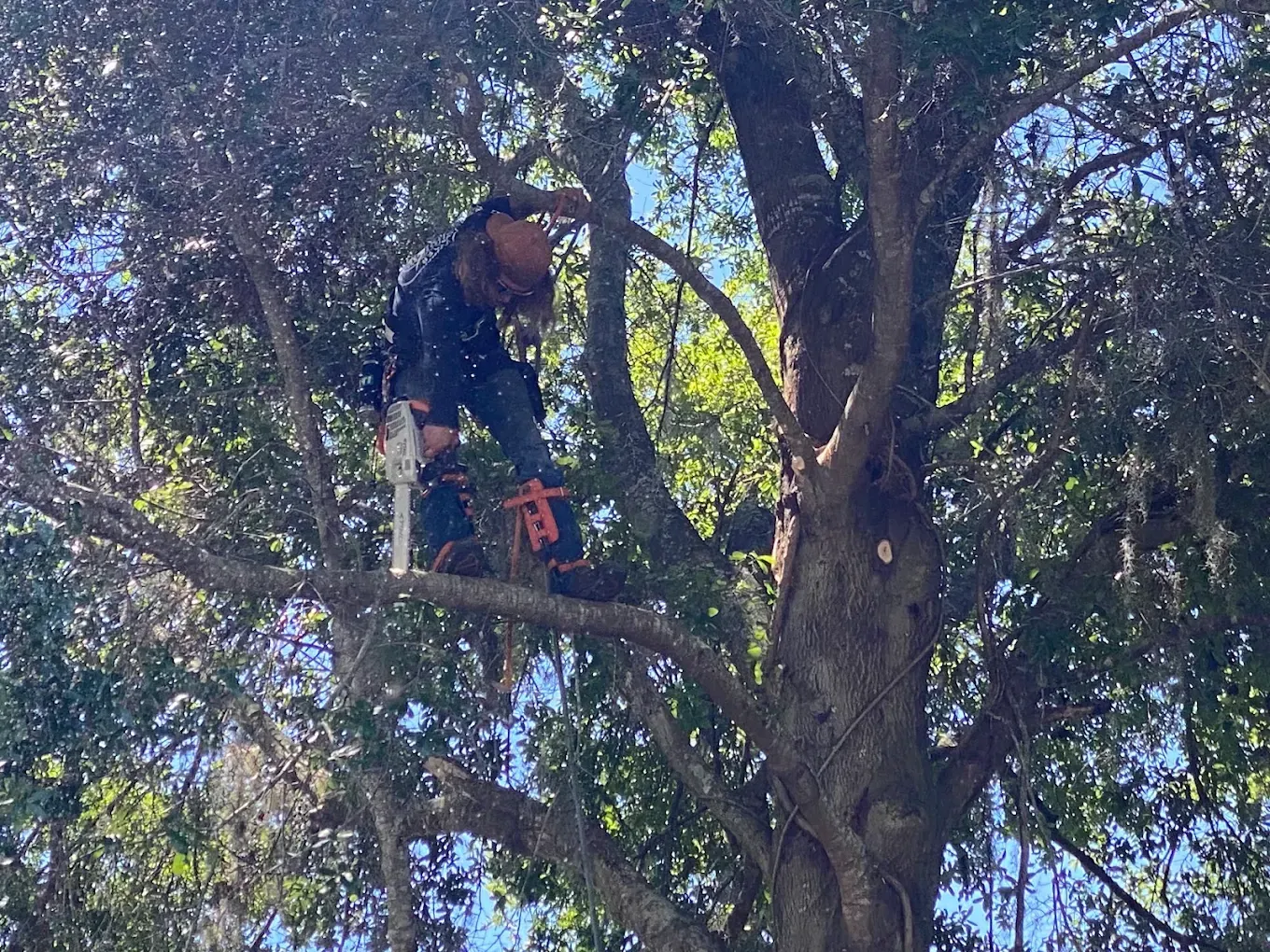
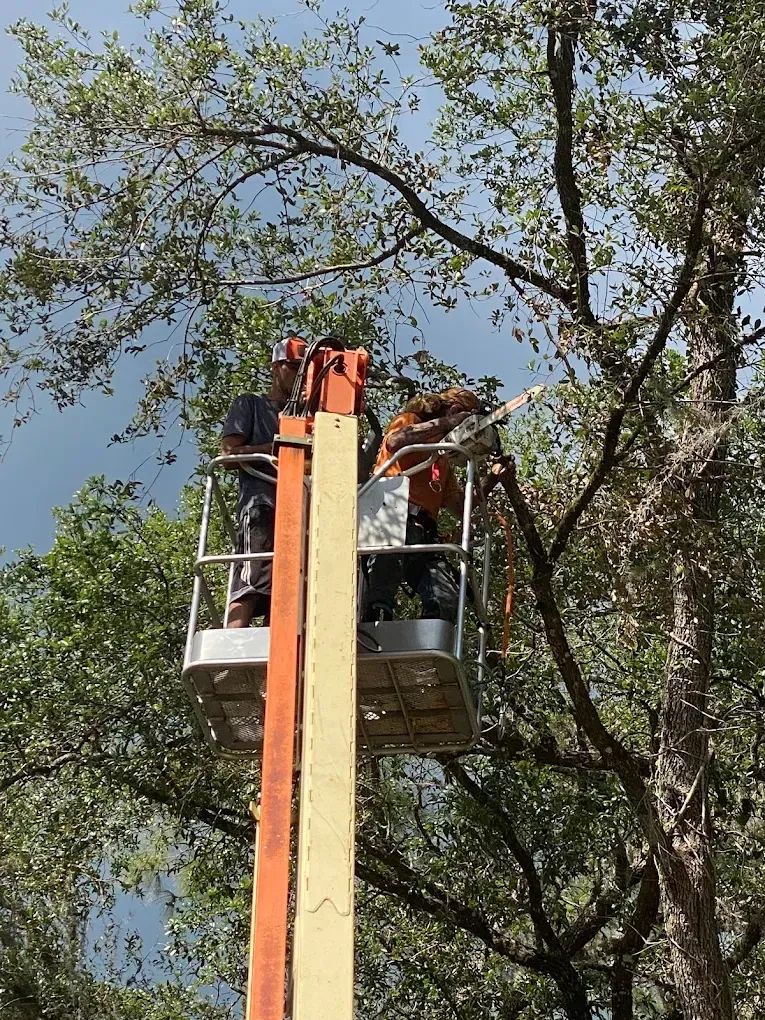
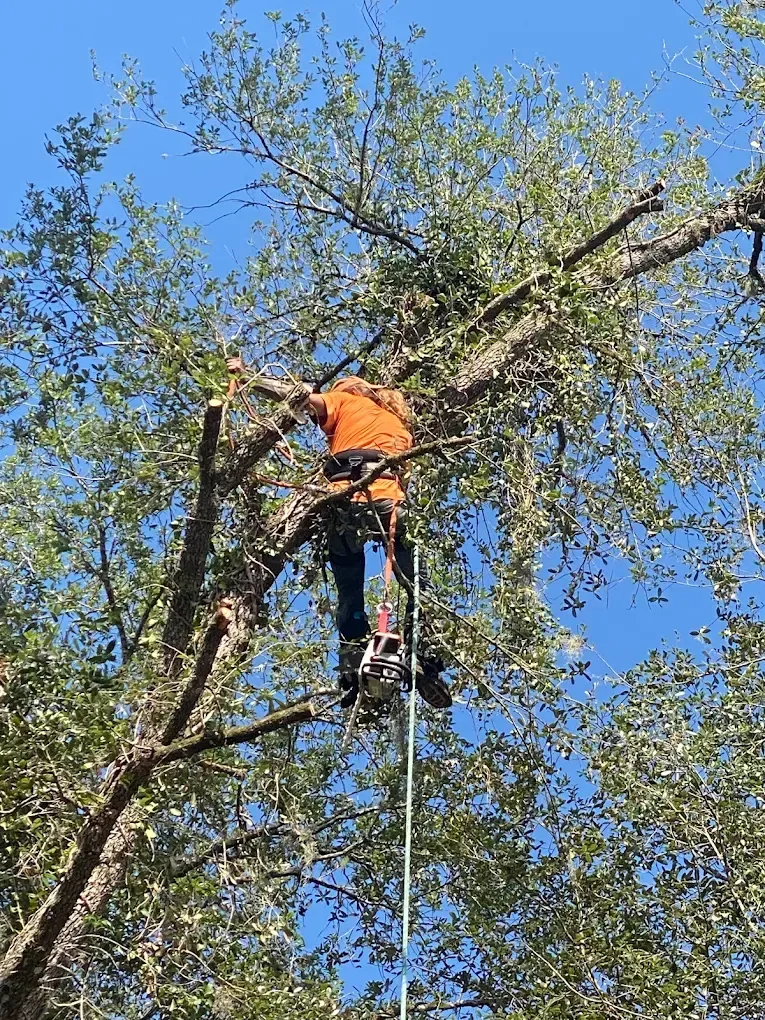
Dead branches that remain attached to the trunk create entry points for insects and disease, while crowded interior growth blocks airflow and keeps moisture trapped against the bark. Pruning removes these problem areas before they weaken the tree or drop onto structures below. Down Home Quality Tree Service LLC evaluates which limbs compromise the tree's health or structural integrity and makes cuts that improve both safety and long-term growth patterns. The approach varies by species, with different trees requiring specific pruning techniques to avoid damaging their natural defenses.
Pruning targets deadwood, diseased sections, and branches that cross or rub against each other, along with growth that creates narrow crotch angles prone to splitting. The process includes thinning dense canopies to allow light and air to penetrate, which reduces fungal problems common in Florida's humid climate. Each cut is positioned just outside the branch collar so the tree can compartmentalize the wound and seal it with new growth.
Schedule a property evaluation to identify which trees need pruning and what specific problems the work will address.
How Pruning Addresses Long-Term Tree Health
The work begins with removing all dead and damaged wood, then addresses structural issues like co-dominant leaders that compete for dominance and create weak unions. Thinning cuts reduce the overall density of the canopy without changing the tree's shape, and heading cuts shorten branches that have grown too long or heavy for their attachment points.
After pruning, sunlight reaches the ground beneath the tree where shade was previously too dense for grass or ground cover to survive, and airflow through the canopy increases so that leaves dry faster after rain. The tree's structure becomes more balanced, with weight distributed evenly rather than concentrated on a few over-extended limbs that could break during storms.
Pruning differs from trimming in that it focuses on the tree's internal health and structural development rather than simply reducing size or clearing space around buildings. Seasonal timing matters for some species—pruning oaks during their dormant season reduces the risk of oak wilt transmission, while other trees tolerate pruning year-round. The amount removed in one session is limited to avoid stressing the tree, with severe structural problems addressed over multiple years if necessary.
Common Questions About This Service
Property owners often ask about the difference between pruning and trimming, when pruning should happen, and what results they'll see.
What's the difference between pruning and trimming?
Pruning focuses on removing unhealthy or structurally weak wood to improve the tree's long-term health and shape, while trimming primarily addresses size control and clearance from structures.
How often do trees need pruning in Silver Springs?
Most mature trees benefit from evaluation every three to five years, with younger trees requiring more frequent attention to establish strong structure as they grow.
Will pruning make the tree look bare or unnatural?
Proper pruning maintains the tree's natural form while removing only the wood that compromises health or structure, so the canopy appears fuller and more balanced rather than sparse.
What happens if diseased branches aren't removed?
Diseases spread from infected limbs into healthy wood, and dead branches become brittle and fall without warning, creating hazards for anyone or anything beneath the tree.
Can pruning help a tree that's already declining?
Removing dead and diseased wood allows the tree to focus energy on healthy sections, but pruning cannot reverse decline caused by root damage, soil problems, or systemic disease that has already spread throughout the tree.
Down Home Quality Tree Service LLC provides free estimates that explain what pruning will accomplish for each tree on your property and how the work supports healthier growth. Contact us to schedule an assessment and receive recommendations based on the current condition and structure of your trees.